Jessie Moore has been writing professionally for nearly two decades; for the past seven years, she's focused on writing, ghostwriting, and editing in the finance space. She is a Today Show and Publisher's Weekly-featured author who has written or ghostwritten 10+ books on a wide variety of topics, ranging from day trading to unicorns to plant care.
Plus500 App Review: Quick Summary
Overall Rating: ★★★★☆ (4.5/5)
Best For: Beginners and intermediate traders who want a simple platform for CFD and futures trading. If you hate complicated interfaces, you’ll love PLUS500.
Key Strengths:
- The proprietary platform (WebTrader and mobile app) is easy to use
- You get access to 2,800+ CFDs on the global platform
- Fee structure is competitive and transparent (no commission on CFD trades)
- Multiple top-tier regulators oversee them, which matters for safety
- Free demo account with unlimited practice time
Drawbacks:
- Research and analysis tools are pretty basic compared to competitors
- Can’t use MetaTrader 4/5 or other third-party platforms
- Customer support = live chat and email only (no phone line)
- The platform levies an inactivity fee after three months
Verdict: Plus500 delivers a straightforward CFD and futures trading experience across multiple markets. It’s solid if you are looking for simplicity. But if you’re the type who needs deep analytics, advanced charting, or MT4 support, you may feel constrained by their proprietary setup.
What Is Plus500?
Plus500 started in Israel back in 2008. Since then, they’ve grown into one of the bigger names in online trading.
Here’s what makes them different from your typical broker: the parent company, Plus500 Ltd, trades publicly on the London Stock Exchange (LSE: PLUS).
It is part of the FTSE 250 index, and the public listing adds transparency and financial stability you won’t find everywhere.
The way the platform works depends on where you’re living and trading.
- The platform enables CFD trading for forex, stocks, indices, commodities, cryptocurrencies, and ETFs.
- If you’re in the United States, CFD trading is not an option due to regulations. Therefore, Plus500 has developed a dedicated futures platform tailored for American traders.
Regulation-wise, Plus500 has checked all the major boxes. It is regulated by the Financial Conduct Authority (FCA) in the UK. Similarly, the Australian Securities and Investments Commission (ASIC) and the Cyprus Securities and Exchange Commission (CySEC) also regulate it.
Key Features
Plus500 has built its platform to cater to both beginners and experienced traders. Here’s what you get:
Extensive Market Access: You can trade 2,800+ CFDs covering markets worldwide. A wide coverage offers you plenty of room to diversify and jump on opportunities across different asset classes.
Proprietary Trading Platforms: Plus500 runs its own WebTrader and mobile app. Both have clean, streamlined interfaces that work exceptionally well for those just starting out. This is what makes any Plus500 app review worth reading: the platform design matters.
Free Demo Account: The platform provides you with unlimited access to a demo account featuring virtual funds. You’re trading in real market conditions, just without risking actual money, making it perfect for testing strategies or getting comfortable with the platform.
Risk Management Tools: Stop-loss orders, guaranteed stop-loss orders (which incur additional costs), and negative balance protection are all standard features. These tools help you avoid losing more than you have invested.
24/7 Trading: The platform remains open around the clock for major markets, allowing you to react to global events as they unfold.
Plus500: U.S. Platform Versus Global Platform
Here’s something you need to understand right away: Plus500 runs two completely different platforms. They had to do this to comply with U.S. and international regulations.
The Global Platform (CFDs): If you’re outside the United States, you get the CFD provider version. This platform offers over 2,800 CFDs across forex, stocks, indices, commodities, cryptocurrencies, and ETFs.
U.S. regulations ban retail CFD trading, so American residents can’t access this platform at all.
The U.S. Platform (Futures): For the American market, Plus500 created Plus500US. It’s a futures-only platform where traders can speculate on future prices for equity indices, foreign exchange (forex), commodities, and cryptocurrencies.
The Plus500 futures review indicates that the asset selection is smaller than that of the global platform; however, it provides U.S. traders with a regulated way to trade futures.
Pros and Cons
Pros | Cons |
Easy-to-use and straightforward Platform: WebTrader and the mobile apps consistently receive praise for their clean design. If you’re a beginner, you’ll appreciate not feeling lost. | Basic Research Tools: The platform lacks advanced charting, deep market analysis, and comprehensive news feeds you’d find elsewhere. |
Huge Asset Selection (Global): The global platform offers over 2,800 CFDs. That’s plenty of room to diversify. | No Third-Party Platforms: You’re stuck with Plus500’s proprietary platforms. Can’t use MetaTrader 4/5 or cTrader. |
Strong Regulation: Multiple top-tier regulators oversee them. Your money has absolute protection. | Limited Support Channels: Plus500 customer service is available only through Plus500 live chat and email, with no phone support. |
Fair, Clear Fees: The fee structure is straightforward—no commissions on CFD trades, competitive commissions on futures. | Inactivity Fees Hit Fast: Three months without logging in, and they charge you. That stings if you trade infrequently. |
Unlimited Demo Account: The demo account doesn’t expire. Test strategies all you want without risking a dime. | Withdrawals Can Be Delayed: Some users report experiencing delays in receiving their money, although this issue doesn’t affect everyone. |
Fees and Costs
Plus500’s fee structure is one reason people choose them, as it is competitive and transparent. But costs vary depending on whether you’re using the global CFD platform or the U.S. futures platform.
Global CFD Platform Fees
For international clients, Plus500 makes money through the bid-ask spread. That’s the gap between the buying and selling prices, and spreads change based on market volatility.

You’ll also see these fees:
- Overnight Funding: If you hold a position overnight, you incur a fee known as a swap rate. It varies by instrument and whether you’re long or short.
- Currency Conversion Fee: If you trade an instrument in a different currency from your account, they charge up to 0.7% on the realized profit and loss.
- Guaranteed Stop-Loss Order (GSLO): Standard stop-loss orders don’t cost anything. However, if you want a GSLO to protect against slippage, that incurs an additional cost.
- Inactivity Fee: If you don’t log in for three months, a fee of up to $10 per month will be charged if there is money in the account.
US Futures Platform Fees
The Plus500 US platform operates on commissions, which is standard for futures trading. Rates are competitive:
- Standard Contracts: $0.89 per side
- Micro Contracts: $0.49 per side
Plus500 U.S. doesn’t charge for account maintenance, deposits, withdrawals, routing, or platform usage. However, be aware of the $10 liquidation fee per contract if you fail to meet the margin requirements.
Example of How Fees Play Out
Let me show you real examples of how fees work on both platforms.
CFD Trade Example (Global Platform):
Suppose you’re trading EUR/USD and the platform displays a buy at 1.1620 and a sell at 1.1619. The spread is 0.0001, or 1 pip. Open a long position of one standard lot (100,000 units) and the price moves up 10 pips, which means your gross profit is $100.
The spread costs you $10. And if you hold the position overnight, you will also pay an overnight funding fee.
Futures Trade Example (US Platform):
You decide to trade one E-mini S&P 500 (ES) futures contract, and opening a position (buy or sell) costs $0.89 in commissions, while closing it costs another $0.89.
You don’t have to worry about spreads since you’re trading on a centralized exchange. Moreover, your profit or loss is derived solely from the contract’s price movement.
Platform User Experience
Plus500’s proprietary platforms (WebTrader and the mobile app) work well if you value simplicity over fancy features.
WebTrader runs in your browser, and the layout is clean, with an instruments list, chart, and trading ticket all visible.
The execution speed is quick, which is crucial when trying to catch short-term moves. You get over 100 technical indicators and drawing tools for charting, which are suitable for most retail traders.
However, if you’re interested in complex technical analysis, you’ll want more. And here’s a drawback: you can’t customize the layout or add third-party tools.
Mobile App (iOS & Android)
The Plus500 mobile app scores highly on both app stores, and honestly, it deserves them. It offers a sleek design that mirrors the simplicity of WebTrader.
You can manage your entire account (deposits, withdrawals, everything) right from the app, while push notifications for price alerts and market events are built in.
No Third-Party Integrations
Here’s where some traders get frustrated: Plus500 doesn’t integrate well with third-party platforms, and you can’t use MetaTrader 4/5 or cTrader.
There are no copy trading or social trading features. If you’ve built your whole strategy around MT4, this could be a dealbreaker.
Account Types & Funding

Plus500 doesn’t overcomplicate things:
- Standard Account: This is the primary live trading account, providing access to all features. The minimum deposit is approximately $100, although this amount may vary depending on your region and payment method.
- Demo Account: This account is free and features unlimited virtual funds, enabling you to trade in simulated markets that closely mirror real-world conditions.
Funding options include credit/debit cards (Visa, Mastercard), electronic wallets (PayPal, Skrill), and bank transfers, all of which are accepted. There are no deposit fees, and withdrawals are typically also free; however, your bank may charge for wire transfers.
Available Markets
Global CFD Platform gives you 2,800+ CFDs:
- Forex: 70+ pairs covering majors, minors, and exotics
- Stocks & ETFs: Global coverage from major markets
- Commodities: Gold, oil, silver, natural gas (the usual suspects)
- Indices: S&P 500, FTSE 100, NASDAQ 100
- Cryptocurrencies: Bitcoin, Ethereum, Litecoin
- Options: CFDs on various assets
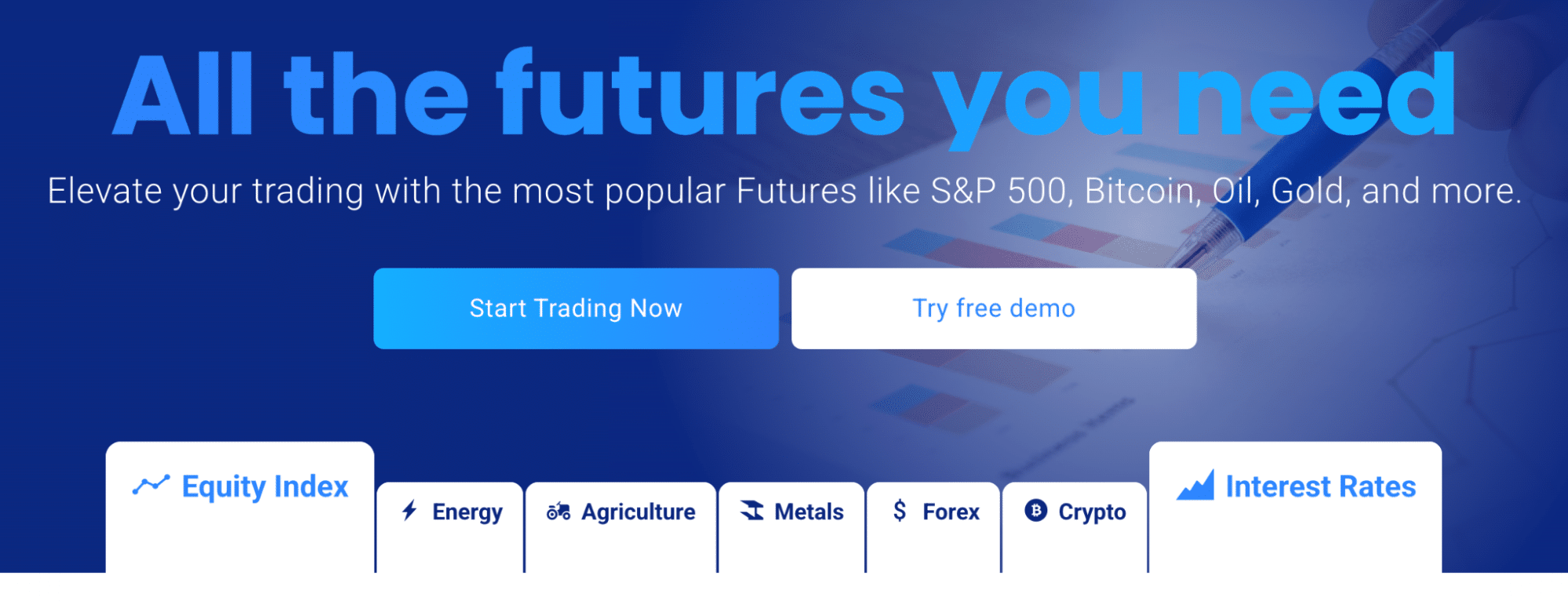
The US Futures Platform covers popular futures markets:
- Equity Indices (E-mini and Micro E-mini contracts)
- Forex futures
- Commodities (energy, metals)
- Cryptocurrencies (Bitcoin, Ethereum)
- Agriculture and Interest Rates
Is Plus500 Safe? Regulation and Security
Plus500 has solid regulatory oversight from multiple top authorities:
- FCA (UK): Plus500UK Ltd is authorized and regulated (FRN 509909)
- ASIC (Australia): Ensures fair markets
- CySEC (Cyprus): Regulatory framework for EU investment services
- MAS (Singapore): Central bank oversight
Security measures include:
- Segregated Funds: Your money stays separate from company funds
- Negative Balance Protection: You can’t lose more than what’s in your account (most regions)
- Public Company: Listed on the London Stock Exchange with strict reporting requirements
Customer Support
Plus500 runs support 24/7, but you’ve only got two options:
- Live Chat: The Plus500 live chat is available 24/7. It’s the fastest way to get answers. You can access it from the platform or website.
- Email: For non-urgent matters. They usually respond quickly.
No phone support may frustrate some people, but their FAQ and Help Center effectively cover most common issues.
Education & Plus500 Research Tools
Plus500 keeps educational resources basic, aimed at new traders:
- Trading Academy: Articles and videos covering CFD and futures basics
- Economic Calendar: Track market-moving events
- Price Alerts: Set alerts for any instrument
What’s missing? Deep fundamental research, analyst reports, sophisticated market commentary.
Plus500 targets traders who want simple, execution-focused platforms.
Plus500 vs Competitors
Plus500 vs. eToro
Plus500 offers lower spreads and no commissions on CFDs, making it a cost-effective option for pure trading strategies.
eToro charges higher spreads and a 1% crypto fee, but you get their CopyTrader feature for social trading. Plus500’s platform is simpler, while eToro is more feature-rich with a social focus.
Pick Plus500 if you want straightforward, low-cost CFD/futures trading. Choose eToro if you’re interested in social trading and wish to own underlying assets.
-> Check out eToro
Plus500 vs. IG
Plus500 is better suited for beginners, offering a simple platform and a $100 minimum deposit. IG targets professionals who need advanced tools, extensive research, and MT4 support. IG has tighter spreads and no inactivity fees, while Plus500 charges inactivity fees after three months.
Go with Plus500 for simplicity or choose IG for professional-level depth.
-> Explore IG
Plus500 vs. CMC Markets
Plus500 wins on simplicity and ease of use, and CMC Markets offers a more comprehensive professional experience, featuring advanced tools, a wider range of assets, and enhanced research and education.
CMC Markets supports MT4, whereas Plus500 utilizes its proprietary platforms. Pick Plus500 for accessibility or pick CMC Markets for professional-level tools.
-> Explore CMC Markets
Bottom Line: Should You Trade with Plus500?
Plus500 works great for:
- Beginners who need a user-friendly platform and unlimited demos to learn CFD and futures trading
- Traders who hate clutter and just want clean, simple interfaces
- Mobile traders who need solid on-the-go access
- Anyone watching costs who wants competitive fees and transparent pricing
Look elsewhere if:
- You’re advanced and need sophisticated charting, deep research, and third-party platform support
- You’re married to MT4/MT5 and won’t use anything else
- You want social or copy trading features
- You need phone support and won’t settle for chat/email
Plus500 has built a reputation as a reliable, regulated, accessible platform. It doesn’t have every feature under the sun, but it delivers a solid, straightforward trading experience. Ready to check it out? Visit Plus500 here.
FAQs:
Is Plus500 legit?
Yes. Plus500 is legitimate and regulated. The parent company, Plus500 Ltd, trades publicly on the London Stock Exchange. They're authorized and regulated by multiple top financial authorities, including the FCA in the UK and ASIC in Australia.
Can you lose more money than you deposit with Plus500?
In most regions, no. Plus500 offers negative balance protection, which means you can't lose more than what's in your account. That's a safety feature protecting you from unexpected market swings.
Does Plus500 charge commission?
It depends on the platform. The global CFD platform doesn't charge commissions and makes money from the bid-ask spread instead. On the US futures platform, you pay per-contract commission: $0.89 for standard contracts and $0.49 for micro contracts.
What is the minimum deposit for Plus500?
Typically $100, but this amount may vary depending on your region and payment method.
Is Plus500 good for beginners?
Yes. The platform is user-friendly, featuring a straightforward fee structure. Plus, you get an unlimited free demo account to practice with virtual funds before risking real money.
Does Plus500 offer crypto trading?
Yes. On the global platform, you can trade CFDs on popular cryptocurrencies like Bitcoin, Ethereum, and Litecoin. On the US platform, you get futures contracts on cryptocurrencies like Bitcoin and Ethereum.
How do you withdraw money from Plus500?
Use the same method you used to deposit, such as credit/debit cards, electronic wallets like PayPal and Skrill, or bank transfers. Start the process through the trading platform. Withdrawals are generally free; however, your bank may charge a fee for wire transfers.
Does Plus500 offer real stocks?
No. Plus500 is a derivative trading platform. They offer CFDs on stocks (through a global platform) and futures contracts, which means you can speculate on stock prices without owning the actual shares.
Where to Invest $1,000 Right Now?
Did you know that stocks rated as "Buy" by the Top Analysts in WallStreetZen's database beat the S&P500 by 98.4% last year?
Our November report reveals the 3 "Strong Buy" stocks that market-beating analysts predict will outperform over the next year.