

The $1T Robotaxi Boom Is Here. These 2 Stocks Look Better Than Tesla
(Note: Prefer to watch this in video form? Get it here.)
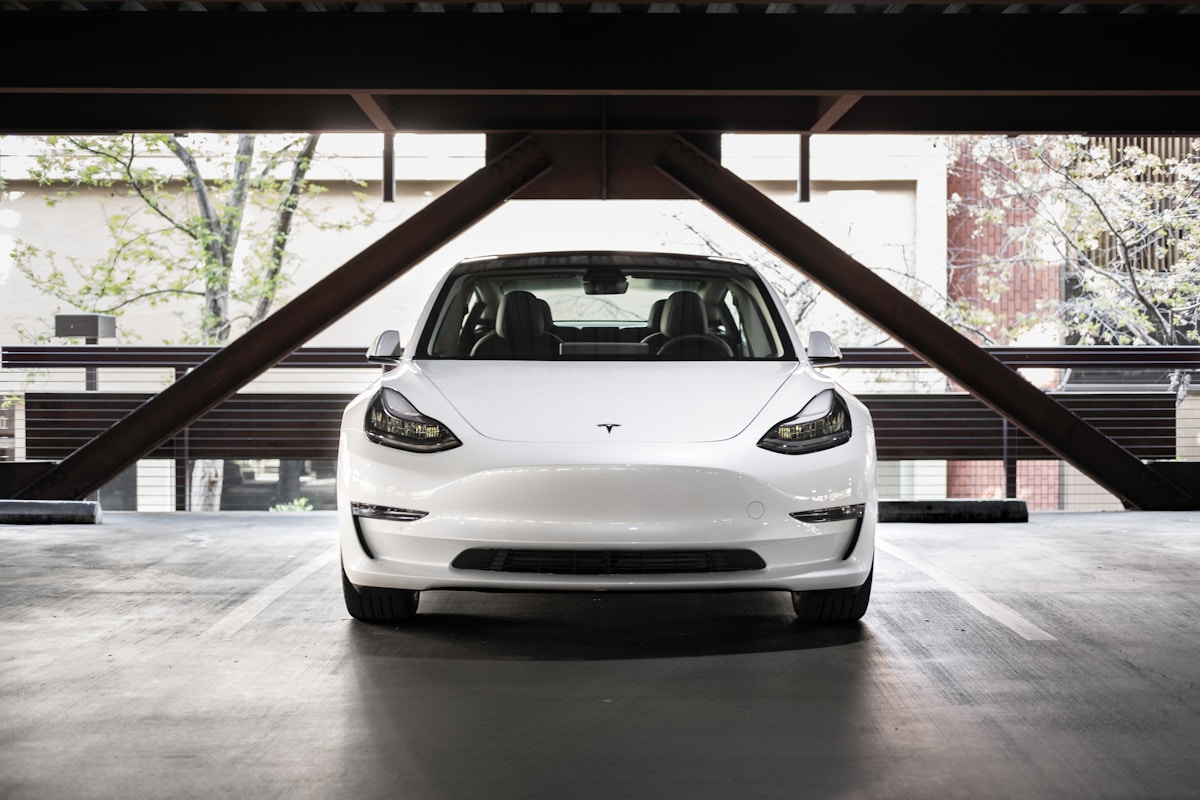
Tesla is pushing robotaxis into more cities, and if this market gets anywhere near as big as Wall Street expects, there's real money to be made. But maybe not where everyone's looking.
Running the obvious robotaxi stocks through the data, Tesla, Alphabet, and Uber all land in basically the same place: average. The two stocks that actually stand out sit underneath the entire buildout instead, one gets paid no matter whose robotaxi wins, and the other is one of the strongest-rated stocks in the entire market.
A note from our sponsors...
With a valuation of $85.7 billion, the SpaceX IPO is officially the largest IPO of all time. The company captured the public's imagination while simultaneously dominating critical industries, and it set records when it went public. But SpaceX is just one of 7 high potential IPO candidates identified by our analysts as being positioned at the front of the next wave of IPOs. Get their names, free.What Happened and Why It Matters
Tesla is expanding its autonomous ride service beyond its original markets and into additional cities.
That matters because robotaxis stop being an interesting technology demo once companies can repeatedly launch them in new markets. Every new city tests a different mix of roads, traffic, regulation, weather, and customer behavior.
And the potential prize is enormous. Morgan Stanley estimates that if autonomous ride providers get paid per mile, this could be a market worth over $1 trillion a year in the U.S. alone. If robotaxis become even a fraction of that, you are looking at an entirely new layer of transportation infrastructure being built in real time. And that creates opportunities far beyond Tesla.
How to Invest in This
There are basically three ways to invest in this.
One, you can own the company building the robotaxi. Two, you can own the network delivering the rides. Or three, you can own the companies selling everybody the hardware they need to make the whole thing work.
That third group is where things get interesting. But to truly understand why, it helps to start by looking at the obvious plays, like Tesla.
So now, let’s look at Tesla … then move on to the 2 BETTER picks.
Tesla (TSLA)
Tesla (TSLA) has to come first because it's driving the story. If Tesla can turn millions of vehicles into autonomous revenue producing assets, the economics of this company could look completely different a few years from now.
But even before getting to the quant rating on the stock, here's the reason for caution today. Tesla pulled in $103.6 billion in revenue over the past year, but only $3.8 billion in profit, a margin of just 3.7%.
That's backed up by the trend: earnings actually fell 35.52% over the last year, a real deceleration from Tesla's own 5 year average growth rate of 9.4%. And the stock's already down almost 19% over the last 3 months, while still trading at over 300 times earnings.
When you look at the analyst picture, it may seem bullish at first. The stock has a consensus recommendation of Buy. But dig deeper and the average price target only calls for roughly 10% upside in the coming year. Look closer at the individual recommendations and the largest single group, 9 of 22 analysts, actually recommends it as a Hold. So a few bullish voices aren't telling the whole story.
Which brings us to the Zen Ratings. Quick explainer since this is the first stock covered: Zen Ratings grade every stock A through F using over 100 factors to estimate its odds of beating the market, and underneath that grade sit 7 Component Grades, covering things like Value, Growth, Momentum, and Sentiment, so you can see exactly where the strength or weakness actually lives.
Tesla lands at a C, a Hold recommendation. Looking at the underlying Component Grades, the picture lines up with what we just saw: D's in Value, Momentum, and Sentiment, with everything else sitting at C. So despite that Buy rating on paper, the model isn't seeing the strength to back it up yet.
What could change that? Analysts expect Tesla's earnings to grow 36.93% a year going forward, an exceptional pace. If that shows up in the numbers instead of just the headlines, this rating has real room to move. That's exactly why it's worth checking daily instead of going off a headline you saw once.
Bottom line: Tesla is doing something genuinely important with this robotaxi expansion, but the stock itself, today, is a Hold, not a Buy. It's a name to watch as the rollout develops, not the strongest buy on this list.
Alphabet (GOOGL)
You'll find a similar story with other big names like Alphabet and Uber, so let's move through these a bit quicker.
Alphabet (GOOGL) also comes in at a C, a Hold. Looking at those Component Grades, Sentiment stands out at an A, the market's clearly optimistic here, and that tracks given Waymo's head start in autonomous rides.
Wall Street agrees, at least on the surface: the aggregate call is a Strong Buy, with an average price target implying about 25% upside. But here's the catch: Alphabet's own earnings are actually forecast to shrink 6.4% a year going forward, and insiders have been net sellers over the past 12 months. So that Strong Buy comes with some real cracks underneath it.
So while yes, Alphabet has the Waymo edge and a standout Sentiment grade, between the earnings forecast and the insider selling, this isn't the strongest setup either.
Uber (UBER)
Uber (UBER) tells a similar story: another C, another Hold recommendation.
Looking at the Component Grades, Safety and Financials are the bright spots at B, while Growth and Momentum lag at D.
Wall Street's even more bullish here, a Strong Buy call with an average target implying about 35% upside. But again, the numbers undercut the enthusiasm: both earnings and revenue are forecast to grow slower than Uber's own industry and the broader market, and just like Alphabet, insiders have been net sellers over the past year.
Uber's balance sheet is solid, and the strategic position, plugging into whoever wins the robotaxi race, makes sense. But like Tesla and Alphabet, the numbers say watch, not chase.
So that's three of the biggest names in this story, Tesla, Alphabet, Uber, and all three land in the same place: Hold. Strong Buy calls from Wall Street, but the data isn't backing that up yet. So instead of betting on who wins the robotaxi race, it's worth looking for companies that get paid no matter who wins. That's where the next two picks come in.
Magna International (MGA)
Let's move to the first of the reward picks: Magna International (MGA).
Magna is one of the largest auto parts suppliers in the world, building the body exteriors, structures, and systems that go into vehicles across nearly every major automaker.
Here's why that matters for this theme: Magna doesn't need Tesla to win, or Waymo, or anyone else. As cars get more sensors, more cameras, and more autonomous capability, Magna supplies the physical components that make it possible, no matter whose badge ends up on the vehicle.
And the numbers back up the idea that this is a well run business, not just a thematic bet. The stock is up over 40% over the past year, but signs indicate that despite this run, it may not be overvalued.
On valuation, Magna trades at under 24 times earnings and just 0.42 times sales, cheap for a company with that kind of dividend track record.
And while you wait for the story to play out, it pays a 2.26% dividend yield, and that dividend hasn't dropped by more than 10% at any point in the last decade, it's actually grown consistently the whole way through.
When you look at the analyst picture, it's a mixed bag. The stock has a Hold consensus among 11 analysts, but it is worth noting that even several of the Hold recommendations see potential upside in the coming year. And the most bullish voice in the room is among the better rated analysts tracked, suggesting the stock could see nearly 20% upside in the coming year.
But the Zen Ratings shed light where the analyst picture is unclear. Magna comes in at a Strong Buy recommendation, or an A rating, the highest grade in the system.
Looking at the Component Grades that bolster that rating, Safety is the standout at an A, Value, Financials, and AI are all solid B's, while Growth is more middling at a C. Magna is also ranked number 2 out of 42 stocks in its Auto Part industry.
That's the disconnect worth paying attention to: a single 12 month price target is a narrow snapshot, but the model is weighing over 100 factors, including balance sheet safety, dividend durability, and standing relative to its peers, not just where one analyst thinks the stock lands a year from now.
Historically, stocks that earn a Strong Buy grade have averaged a 28.5% return per year, a very different number than that 20% price target consensus. That's exactly the kind of gap where the system is picking up a deeper picture than the headline number captures.
Bottom line: Magna gives you exposure to the autonomous vehicle buildout without needing to pick a winner, a dividend that's proven durable for a decade, and a rating that says this business is stronger than its price target suggests. That combination makes it a legitimate reward pick, not just a thematic afterthought.
Now onto a pick that's sure to surprise. It's a stock most people already know, but probably never expected to see in a robotaxi story.
Before the last stock, one quick thing. If you want to stay one step ahead of the market, join the Live training every Monday. That is when we share an updated market outlook and trading plan to outperform, and when co-host and Editor-in-Chief Steve Reitmeister shares his Trade of the Week based on our proven Zen Ratings quant model.
It's a free event, but you do need to register. Just go to wallstreetzen.com/live.
Micron (MU)
And now the stock this has all been building to: Micron (MU).
The first question might be what Micron is doing in a robotaxi story, since Micron is one of the world's largest makers of memory chips.
Here's the connection to today's theme: autonomous vehicles are essentially rolling computers, constantly processing data from cameras and sensors in real time, and that takes memory. Micron already ships automotive grade memory built for exactly that. But the bigger opportunity sits on the other side of the equation: training the AI models that power self-driving systems takes massive data center infrastructure, and Micron's high bandwidth memory is already built into the platforms companies use to train those models. So Micron gets paid whether the car is doing the thinking or the data center is.
And the underlying business is firing on every cylinder right now. Micron's trailing 12 month earnings came in at $50.5 billion, up 701% year over year, and last quarter alone earnings grew 105% from the prior quarter.
Profit margin sits at just under 56%. Looking forward, analysts expect earnings to keep growing faster than both its own semiconductor industry and the broader market, same story on revenue. And despite the stock already being up close to 700% over the past year, it's still trading at a PEG ratio of just half a times, a sign the market may not have fully caught up to the growth yet.
The aggregate call from 26 analysts comes out to a Strong Buy, 17 of them recommend it as a Strong Buy outright. Goldman Sachs is the lone holdout among the major banks with a Hold, but that's very much the exception here.
The average price target sits about 50% above today's price, and the top estimates suggest the stock could see greater than 100% upside in the coming year.
And unlike Magna, there's no disconnect to explain: the Zen Rating agrees with Wall Street. Micron also comes in at an A grade, or Strong Buy recommendation. It actually ranks in the top 1% of all stocks tracked. That means that fundamentally speaking, it's stronger than 99% of stocks out there.
And the Component Grades show the balanced strength you'd expect in such a highly rated pick. Growth, Financials, and Momentum all grade out at A, with Value and Sentiment as solid B's.
One honest weak spot worth flagging: Safety grades out at a D, so this isn't a stock without risk. And interestingly, the AI component grade itself is only a C, this rating isn't being propped up by the AI narrative, it's earning its grade from real growth and real financials.
That's actually what makes this one most compelling: the case for Micron doesn't depend on robotaxis working out. The AI infrastructure boom alone is already driving this business, autonomous vehicles are just one more source of demand stacked on top.
Of everything covered today, Micron is the one where the fundamentals, the analyst targets, and the rating all point the same direction. That's why it's the strongest idea on this list.
What to Watch Next
To put a bow on this, here are 4 things to watch from here.
One, how quickly Tesla adds new cities. Two, how fast Waymo expands. Three, which autonomous fleets Uber adds to its platform. And four, especially what semiconductor and automotive suppliers say about demand.
Because the companies supplying a technological boom often start seeing the money before investors fully appreciate where it is going.
Conclusion
So that's the robotaxi opportunity as it stands right now. Do you think investors are better off looking at the obvious stocks, or do you prefer less obvious beneficiaries? Hit reply and let us know, and if there's another stock worth adding to the mix, we want to hear that too.
What to Do Next?
Want to get in touch? Email us at news@wallstreetzen.com.
Keep Reading
See All News




Company
AboutNewsBlogStock Investing FAQPlansPrivacy PolicyTerms of ServiceCancellation & RefundsPerformanceHelp GuidesContactTwitterYouTubeNewsletterInformation is provided 'as-is' and solely for informational purposes and is not advice. WallStreetZen does not bear any responsibility for any losses or damage that may occur as a result of reliance on this data.